Affordable Mold Remediation Services: Your Solution to a Healthier Environment
Affordable mold removal services serve an essential role in preserving a safe living environment. Mold can create significant health risks and compromise the structural integrity of homes. Fortunately, several budget-friendly options are available to address this issue efficiently. Homeowners often overlook the signs of mold growth or downplay its impact. Understanding the variety of solutions available can enable individuals to take proactive steps. What are these options, and how can one choose the right approach?
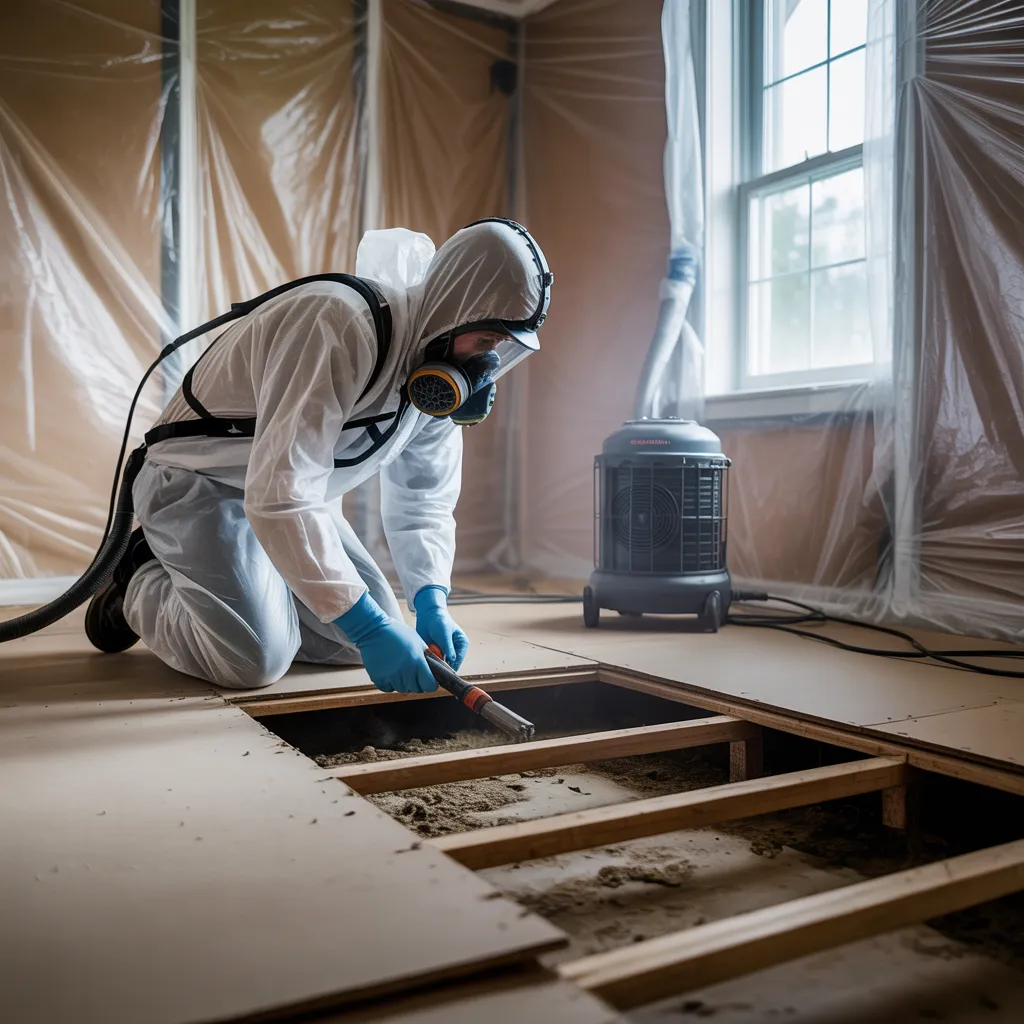
Clues You Require Mold Remediation Solutions
How can homeowners spot the requirement for mold removal services? Property owners must stay vigilant for many key warning signs. Visible mold growth, often showing like black spots or fuzzy growth, is one main sign. In addition, lingering moldy smells in the house can point to hidden fungal growth. Rising allergic reactions among family members, like sneezing or coughing, may also indicate fungal presence. Property owners should inspect places prone to dampness, including as bathrooms, basements, and near water fixtures. Moisture stains on walls and overhead might additionally point toward possible mold growth. Moreover, peeling coatings or wall coverings might indicate underlying moisture problems favorable to fungal growth. If some of these indicators be present, remains essential to property owners make action promptly. Overlooking these indicators can contribute toward greater widespread destruction plus increased removal expenses. Getting expert assistance early might assist guarantee a more lifestyle setting and protect home worth.

Comprehending the Wellness Hazards of Mold Exposure
Mold contact can result in a range of medical conditions, such as respiratory problems and skin irritations. Specific groups, such as children, the older adults, and individuals with existing health issues, are especially vulnerable to these consequences. Recognizing these risks is crucial for promoting wellbeing in areas where mold is present.
Common Health Concerns
Although frequently overlooked, the health dangers associated with mold exposure can be significant and diverse. Individuals exposed to mold may experience breathing problems, including coughing, wheezing, and shortness of breath. Allergic responses, such as sneezing, itchy eyes, and skin rashes, are also common. Prolonged exposure can exacerbate asthma symptoms and lead to chronic sinusitis. In some cases, mold releases mycotoxins, which can result in more serious health problems, including neurological symptoms and immune system suppression. Additionally, those with pre-existing conditions often face increased risks. Recognizing these common health issues underscores the importance of prompt mold remediation, ensuring a safer environment for all inhabitants and reducing potential lasting health consequences linked to mold exposure.
Vulnerable Demographics Impacted
Certain types are especially vulnerable to the health risks connected with mold exposure, calling for improved awareness and preventive efforts. Those with pre-existing respiratory conditions, like asthma or chronic obstructive pulmonary disease, can experience exacerbated symptoms when exposed to mold. Children, with their still-developing immune systems, are especially prone to respiratory problems and allergic reactions. The elderly, who often have weakened immune systems, also face increased risks. Furthermore, pregnant women may confront complications influencing both their well-being and that of their unborn child. Those whose immune systems are impaired by conditions like HIV/AIDS or some medications face a greater risk of serious infections. Understanding these vulnerable groups is key to implementing efficient mold remediation methods.
Budget-Friendly Mold Remediation Solutions
Finding effective and affordable mold remediation solutions is crucial for property owners facing mold issues. Multiple approaches can help minimize costs while ensuring complete removal. One option is to work with local neighborhood initiatives that offer financial aid or support for mold removal, especially for families with limited budgets. Do-it-yourself approaches, such as using baking soda or vinegar, can also provide short-term solutions for small mold problems.
Additionally, property owners can uncover companies that specialize in budget-friendly solutions, which frequently offer bundled packages or markdowns for major tasks. Prompt intervention is essential to avoid further damage and higher restoration expenses.
Routine maintenance of ventilation systems and moisture control in basements and bathrooms can minimize mold growth, producing extended financial savings. By examining these cost-effective solutions, homeowners can effectively address mold issues without incurring high expenses, fostering a healthier living environment for their families.
How to Select Reliable Mold Removal Solutions?
When identifying credible mold removal firms, reviewing credentials and certifications is essential for confirming expert standards. Moreover, the competency and experience of the specialist can profoundly affect the success of mold treatment initiatives. These factors help homeowners form informed choices and sidestep potential pitfalls.
Credentials and Credentials
Identifying reliable mold remediation solutions depends on the certifications and accreditations of the specialists participating. It is essential to verify that specialists are certified by respected organizations such as the Institute of Inspection, Cleaning, and Restoration Certification (IICRC) or the National Organization of Remediators and Mold Inspectors (NORMI). These credentials show a commitment to industry standards and optimal procedures. Additionally, professionals should have relevant background in mold remediation approaches and security protocols. Licensing may also be required contingent on regional regulations, further guaranteeing responsibility and compliance. Checking for insurance protects property owners from likely liabilities during the remediation process. At the end of the day, thorough due diligence on credentials creates confidence in the chosen mold remediation service.
Experience and Proficiency
Experience and expertise serve as vital benchmarks in the quest for reliable mold removal solutions. Companies with a established history of success often exhibit their ability to handle diverse mold issues efficiently. Evaluating the length of a service provider's operation in the industry can reveal their familiarity with various mold types and treatment techniques. Additionally, expertise in ecological safety standards and best practices is crucial, as improper treatment can worsen health risks. Potential clients should request testimonials and case studies that showcase successful remediation projects. Engaging with certified professionals ensures that the service provider not only possesses the necessary skills but also adheres to industry regulations, offering peace of mind and a cleaner environment for all.
DIY compared to Professional Mold Abatement
While many property owners may consider tackling mold elimination themselves, the decision between DIY and professional services can greatly affect both health and property. DIY approaches often utilize readily available cleaning supplies, which may appear budget-friendly. However, these approaches can be inadequate for extensive mold outbreaks, potentially leading to partial elimination and recurring issues.
Professionals, conversely, hold expert knowledge and equipment that warrant deep remediation. They can recognize hidden dampness origins and use innovative strategies access resource to neutralize fungal presence competently. Additionally, professionals are supplied to handle the health risks associated with mold occurrence, guarding both the dwellers and the property.
Ultimately, while homemade solutions might appear appealing for minor issues, larger infestations warrant the expertise of trained specialists to confirm complete removal and prolonged safety. Investing in professional services can prevent future problems and maintain a cleaner home setting.
Advice for Limiting Future Mold Formation in Your Home
After addressing mold problems, homeowners should concentrate on preventive measures to avoid future development. First, keeping ideal humidity levels is essential; indoor humidity should be maintained between 30% and 50%. Using dehumidifiers in damp areas, such as basements, can greatly reduce moisture.
Routinely inspecting and repairing moisture problems in roofs, drainage systems, and windows avoids water accumulation, which fosters mold growth. Additionally, ensuring proper ventilation in bathrooms and cooking areas facilitates air circulation, further lowering humidity.
Homeowners should also routinely clean and dry areas inclined to moisture, such as shower curtains and sink traps. Employing mold-resistant materials, including paints and building materials, can give an extra layer of protection.
Lastly, maintaining clean gutters and ensuring proper drainage around the foundation will assist in preventing water from entering the home. By applying these methods, homeowners can establish a mold-resistant space and maintain a more healthy home environment.
Popular Questions Posed Often
What Is the Standard Timeline of the Mold Remediation Process?
Mold removal usually spans between one to seven days, reliant on the scope of the contamination and the dimensions of the affected area. Factors such as drying and repair work can lengthen the timeline.
Can my insurance pay mold remediation costs?
Coverage related to mold remediation costs differs across different plans. Ordinarily, it could be covered if mold stems from a covered event. Property owners need to consult their insurance provider regarding detailed information concerning their coverage.
What Types of Mold Are Most Commonly Found in Houses?
Common types of mold found in homes include Aspergillus, Cladosporium, and Stachybotrys (black mold). These fungi flourish in moist surroundings and can present health risks, making identification and treatment essential for a safe living space.
Am I allowed to remain in My Home During Mold remediation?
When mold remediation is occurring, it is typically recommended to leave your residence, especially in severe cases. Professionals assess potential hazards, guaranteeing minimal exposure to dangerous mold spores, which can cause health issues for residents.
How Can I Evaluate if Mold Removal Was Successful?
To evaluate if mold removal was successful, one should examine for lingering odors, visible mold, and moisture levels. Conducting air quality tests and making certain thorough inspection by specialists can validate the effectiveness of the remediation process.